Alibon Arabic: A Typeface for Polished Islamic Branding
When I started my small handmade candle business, I spent weeks hunting for packaging that felt right. The moment I found a font that matched the mood of my brand, everything clicked. Suddenly, my labels, website, and social posts carried the same quiet elegance. That’s exactly the kind of shift Alibon Arabic can bring if your business leans into Islamic aesthetics, Ramadan promotions, or any customer touchpoint that needs a refined, religious-inspired look. It’s not just another pretty display font—it’s a design tool that helps a small business look consistent, professional, and downright memorable without hiring a full-time designer.
What Alibon Arabic Feels Like at First Glance
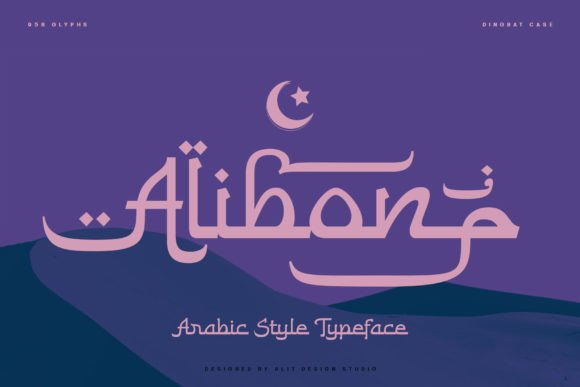
Alibon Arabic is a display typeface rooted in Islamic and religious styling. Think ornate, graceful letterforms with a gentle rhythm that nods to classic Arabic calligraphy while staying readable enough for modern branding. There’s a calm confidence in the curves—it’s decorative without being chaotic, and reverent without feeling stiff. For a business owner, that means the font does a lot of emotional work for you. On a product label, it whispers quality. On a café menu, it signals cultural authenticity. On a Ramadan sale banner, it instantly aligns with the spiritual atmosphere customers are seeking.
Visually, the typeface blends ornamentation with structure. The thick-and-thin strokes feel hand-lettered, and the overall texture works beautifully in both large display sizes and carefully measured small-scale use. If your brand identity revolves around modesty, tradition, warmth, or spiritual depth, Alibon Arabic amplifies that without extra decoration.
Why a Consistent Font Matters More Than You Think
Many small business owners treat fonts like an afterthought—pick something “nice” and move on. But your typeface is the silent ambassador of your brand. Use a mismatched or generic font, and customers might unconsciously question your reliability. Use a deliberate, cohesive font like Alibon Arabic across all visual touchpoints, and that quiet professionalism builds trust.
Think of it as the difference between a handwritten note on torn paper and a custom-printed thank-you card with thoughtfully chosen lettering. The same words, but the second feels more intentional. Every time someone sees your logo, opens your packaging, scrolls past your Instagram post, or reads your product description, the typeface either reinforces your brand’s character or dilutes it. A display font with a clear personality—like Alibon Arabic—anchors your visual identity and makes every material feel part of the same family.
Where Alibon Arabic Truly Shines in Everyday Business
This isn’t a workhorse body-text font, and that’s exactly what makes it powerful. Alibon Arabic works best as a headline typeface, a logo anchor, a label centerpiece, or an accent that draws the eye. Let’s walk through real-world scenarios where I’ve seen similar display fonts transform a brand’s materials—and where you could plug in Alibon Arabic today.
Logos and Brand Marks
A bakery specializing in date-filled ma’amoul or a perfume oil brand with Muslim-centric packaging can use Alibon Arabic as the primary logotype. The ornate character gives instant recognition. Pair it with a clean sans serif for the tagline, and you have a logo that feels both heritage-rich and contemporary. Because the font carries intrinsic cultural cues, it reduces the need for complex iconography—the lettering itself becomes the mark.
Product Labels and Packaging Design
Imagine a tall glass candle jar with a minimalist black label. Alibon Arabic spells the fragrance name across the front in a warm cream or metallic gold. Immediate emotional hit: this is something special. For small businesses selling skincare, incense, modest fashion accessories, or halal confectionery, the font elevates packaging from homemade to high-end. Even product seals, sticker tags, or belly bands around gift boxes gain an air of ritual when the typeface reflects Islamic artistry.
Menus, Flyers, and In-Store Signage
A café owner planning a Ramadan iftar menu can set dish names in Alibon Arabic while keeping descriptions in a readable sans serif. The visual hierarchy guides the customer and reinforces the theme without sacrificing clarity. Flyers for community events, charity drives, or Eid sales become instantly more compelling when the promotional headline leans on a font that feels celebratory yet sincere. No need for clip-art mosques or overdone lanterns—the typeface carries the spiritual weight.
Website Banners and Digital Ads
Online shops often rely on hero images and promotional sliders. Setting a seasonal offer in Alibon Arabic for your website header or Facebook banner makes the campaign feel intentional rather than slapped together with a generic bold font. Even a simple announcement like “Ramadan Kareem” or “Eid Collection Now Live” gains emotional resonance. Just ensure the text remains large enough to read on mobile screens—display fonts can lose detail at tiny sizes.
Social Media Graphics and Pinterest Pins
Instagram carousels, quote posts, or Story templates that share duas, product drops, or behind-the-scenes moments all get a stronger brand signature when the headline font stays consistent. Alibon Arabic, used sparingly as an accent word or category title, makes a grid look curated even if you’re scheduling content on a budget. Pinterest pins with recipe names or styling tips set in this typeface often stop the scroll because of the distinctive letterforms.
Thank-You Cards and Packaging Inserts
One of the cheapest loyalty builders is a simple thank-you note tucked inside an order. Print a small card with “Shukran” or “JazakAllah Khair” in Alibon Arabic, and the customer feels the human care. It’s a micro-moment that boosts repeat sales and word-of-mouth. These small touches build the kind of recognizable, trustworthy brand that customers return to.
When to Use Alibon Arabic as an Accent Versus a Headline
Because the font is highly decorative, it performs best in short bursts. Reserve it for primary messages: the product name, the campaign headline, the monogram, the section header. For longer descriptions, ingredient lists, pricing, or website body copy, bring in a clean sans serif or a neutral serif font. This contrast not only keeps readability high but also makes the display font feel even more special.
If you’re tempted to use it everywhere, pause and test. Set your Instagram post caption entirely in Alibon Arabic—it quickly overwhelms. Instead, let it be the star of three to five words, and trust a supporting typeface to do the heavy reading-lifting. The same rule applies to product labels: the scent name in ornate script, the weight and ingredients in a simple, legible companion font.
Testing Readability Across Real Business Settings
Before committing Alibon Arabic to your entire brand, take it for a practical spin. Print a sample label at actual size. Does the intricate detail hold up on matte sticker paper? View your logo mockup on your phone screen. Are the thin strokes still visible at two inches wide? Check how the font renders on different browsers if it’s used as a web-safe image. Lighting, substrate texture, and screen resolution all impact how a display typeface lands.
For print, have a local print shop run a small batch test. For digital, upload sample banners to your social channels in draft mode to see how compression affects the letterforms. If certain characters feel fuzzy, adjust the size or spacing rather than giving up on the font. Small tweaks can rescue a beautiful typeface from being misunderstood.
Practical Font Pairing Ideas for a Unified Brand
If typography pairing feels intimidating, start simple. Alibon Arabic’s ornate, spiritual personality pairs naturally with:
- A crisp sans serif like a humanist or geometric typeface for body text, website navigation, and price lists. The neutral partner lets the display font shine.
- A light serif font for product descriptions or invitation inserts. A refined serif echoes tradition without competing visually.
- A subtle handwritten font only if your brand leans heavily into artisanal or personal touches. Avoid another ornate script; keep it minimal.
The goal is contrast with harmony. Test two or three pairs on a simple brand board—logo, subheadline, a few lines of paragraph text—and step back. Which combination feels most at home with your target customer? That’s your winner.
Building Recognition Across Customer Touchpoints
Small businesses often underestimate repetition. When a customer encounters the same thoughtful font on your Etsy shop banner, your packaging tape, your Instagram quote post, and your thank-you sticker, they start to internalize your brand identity. Alibon Arabic, precisely because it’s distinctive, accelerates recognition. Even without your logo, a repeat buyer will spot your content by the typeface alone. That familiarity breeds trust, and trust shortens the path to purchase.
This consistency also matters for specific seasonal moments. During Ramadan, many businesses launch temporary product lines or promotional materials. Using Alibon Arabic only during this period—and pairing it with a familiar supporting font from your year-round branding—creates a visual “Ramadan mode” that customers quickly recognize without losing the core identity you’ve already established.
Checking Licensing Before You Scale
I learned the hard way that a beautiful font doesn’t always come with the rights you need. Before embedding Alibon Arabic into products you sell, digital templates, client work, or merchandise, verify the commercial font license. Many typefaces require an extended license for use on physical goods, logo usage, or digital products where the font is the primary design asset. Reach out to the vendor, read the fine print, and keep a receipt. This protects your small business from unexpected takedown notices or legal grey areas later on. The peace of mind is worth the five-minute check.
Making It Work Without Overthinking
You don’t need a design degree to use Alibon Arabic effectively. Start with one material—maybe your Instagram profile highlight covers or your packaging sticker—and live with the font for a week. Notice how it makes you feel about your own brand. If it aligns with the message you want customers to absorb, slowly expand its role. A display font with this much character often ends up being the thread that ties scattered visual elements together, turning a small business into an unmistakable brand.
And if you ever worry that a religious or culturally rooted typeface might narrow your audience, consider this: authenticity rarely alienates the right customers. The people who connect with Alibon Arabic’s mood will appreciate that you chose something purposeful rather than generic. In a marketplace flooded with bland typography, that intention stands out—and that’s what helps a business grow through genuine connection.